

By Ariel Gold
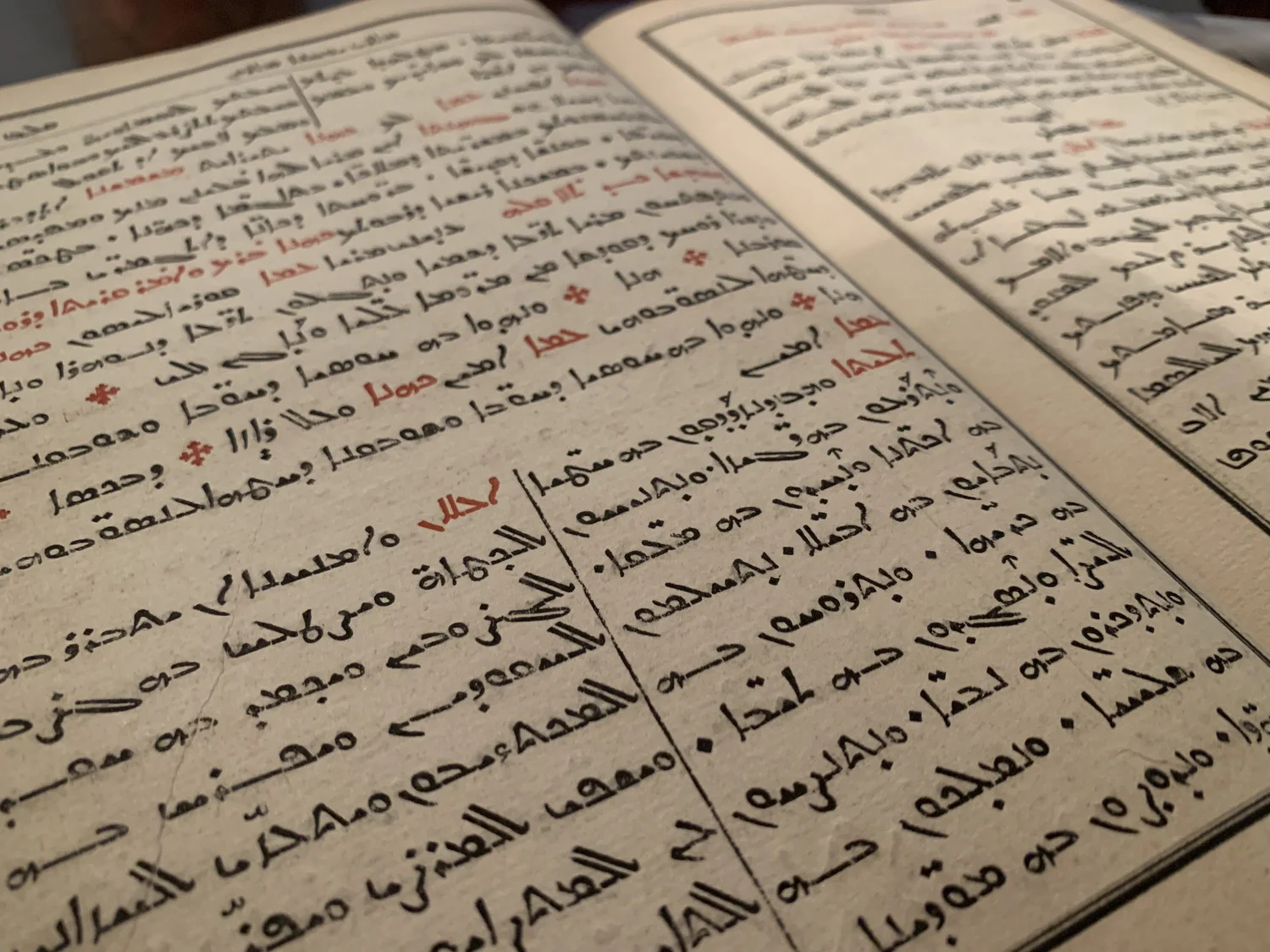
When Pope Leo XIV rebuked Pete Hegseth on Good Friday for using biblical language to justify war, it stopped me cold. What was a red line for the American pope — and sparked a “tidal wave” of complaints from active duty U.S. service members — has become so normalized in American Judaism that our siddurim (prayer books) include prayers that the State of Israel and the Israeli Defense Forces, with God’s help, be “crowned with victory” in all military endeavors.
I thought back to the Torah portion of the prior few weeks and the lessons it offers.
In Parsha Ki Tisa, the Israelites build a golden calf while Moses is on Mount Sinai receiving the Torah. Newly freed from bondage in Egypt, anxious and unmoored, they melt down their gold and create an idol to worship.
As the saying goes, those who do not learn from history are doomed to repeat it. Despite thousands of years of Torah study, we have done it again — given in to fear and replaced our faith in God with the worship of another idol — this time, a nation-state.
When European Jews in the 19th century were allowed out of ghettos and into broader society, it raised a genuinely thorny question: was Judaism, as a religion, even necessary anymore? Like the Jews of biblical times, our emancipation created a void. What rushed in was nationalism. Zionism offered a secular answer — shift faith in God into faith in political and military power. But God was removed from the language while biblical promise continued to drive political action. Messianic longing was not replaced; it was nationalized.
Jewish philosopher Hannah Arendt saw this clearly. In a 1963 letter, she recalled an Israeli political figure who told her: “You will understand that, as a Socialist, I, of course, do not believe in God; I believe in the Jewish people.” She was shocked. “The greatness of this people,” she wrote, “was once that it believed in God… And now this people believes only in itself? What good can come out of that?”
Like the golden calf, political Zionism addressed genuine fear and uncertainty. But idolatry channels real need into something that cannot hold it — convincing us that more power and more walls will make us safe, and leading us to justify anything to maintain it.
How do we dismantle this golden calf, given that it has overtaken our sacred symbols, our texts, our prayers, and our hearts? Thankfully, the Torah offers a path.
In the parshas preceding Ki Tisa, God commands the Israelites to build the Mishkan — a mobile dwelling place for the divine in their midst. The golden calf interrupts that work, turning the project into one of sacred repentance and repair. Notably, the Torah describes how the calf was made in a single sentence: Aaron says the gold was thrown into the fire and “came out the calf.” By stark contrast, the building of the Mishkan is described in excruciating detail — exact dimensions, specific materials, precise processes — and repeated multiple times. Destruction is swift and haphazard. Repair is intentional and responsible.
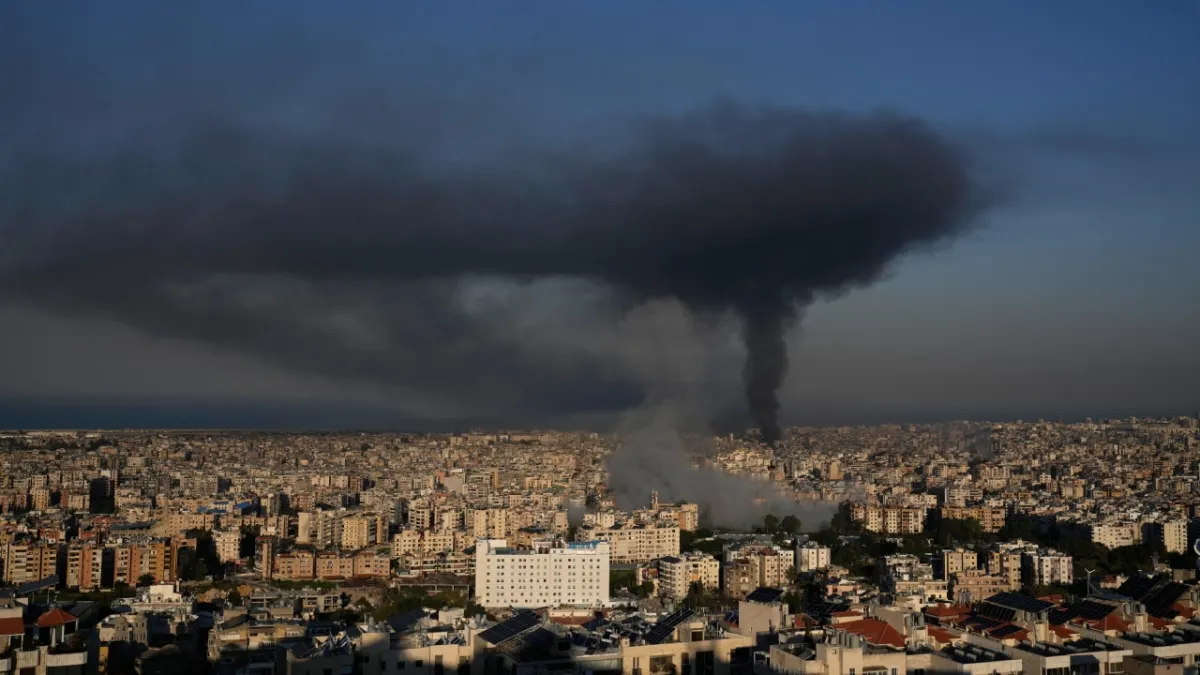
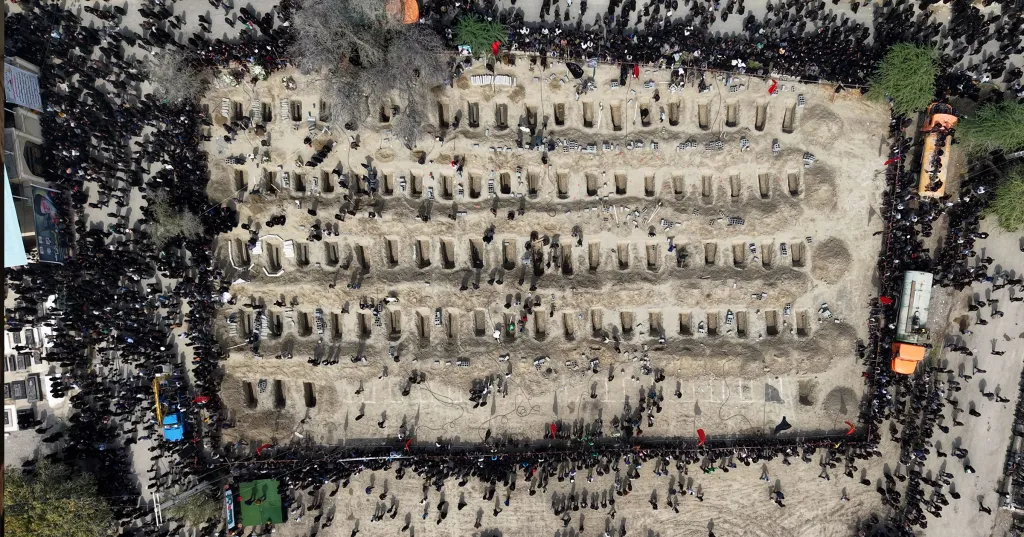
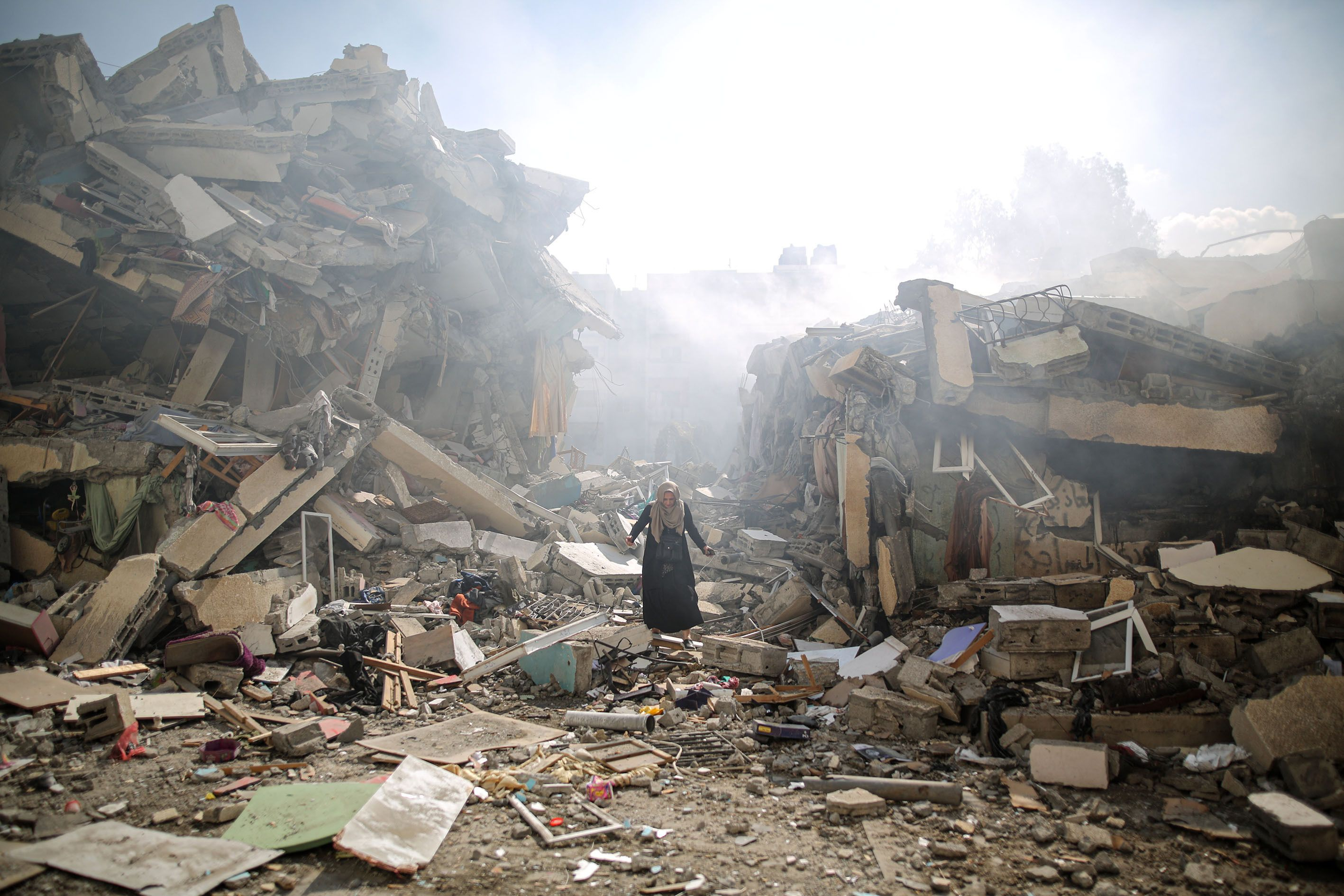
Our Mishkan must involve reparations and accountability for the harms we have caused, and continue to cause, in Gaza, the West Bank, Lebanon, and Iran — as well as to ourselves. It must be grounded in the attributes of God: justice, love, mercy, kindness, and humility. It is the rapid-response networks being built across the country to protect neighbors from ICE violence. It is built in solidarity with Iranians who protest their government and then link arms to protect their infrastructure. It is built by supporting the brave Israelis who choose prison over military service.
Our Mishkan refuses to align with the Christian nationalists, Tucker Carlson, Marjory Taylor Greene, and Candace Owens, who name Israeli genocide but traffic in antisemitism, anti-immigrant sentiment, transphobia, and other bigotries . It declares loudly and clearly that there is no us versus them: no Jew versus Arab, no citizen versus undocumented, no straight versus gay, no cis versus trans, and so on. Our Mishkan expresses love even for those whose politics and violent actions we abhor. As Dr. Martin Luther King taught, it is systems, not people, who are evil. For our Mishkan to be completed, everyone must be a part of it.
In this age of nuclear weapons, climate catastrophe, multiple genocides, and a proposed $1.5 trillion U.S. military budget, the stakes could not be higher. The biblical Mishkan was not built in a day, and ours won’t be either. Let us not waste a single moment or ounce of energy — this work cannot wait.
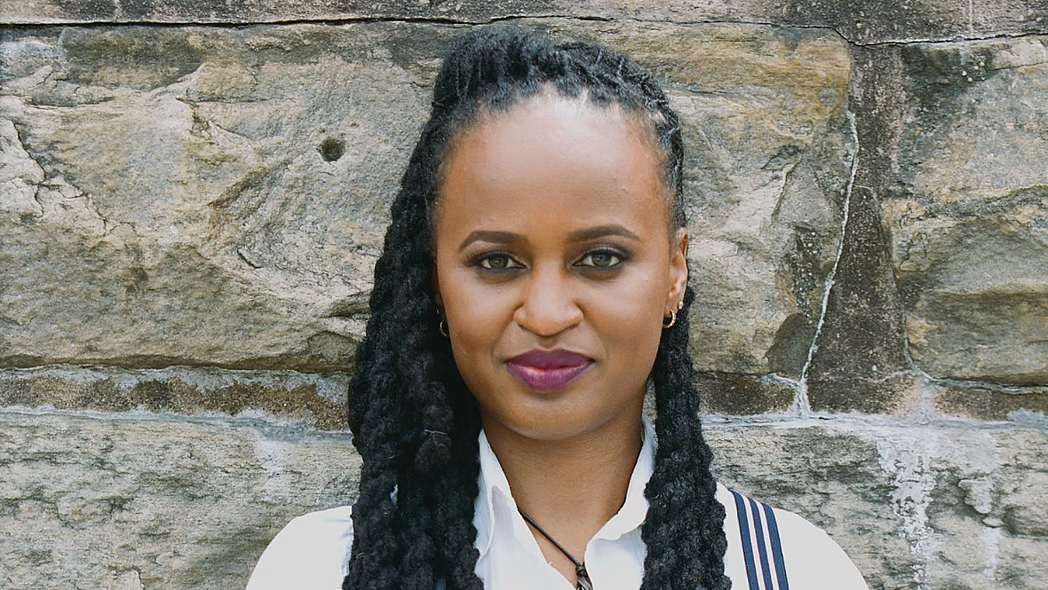
Ariel Gold is a Jewish faith activist and organizer with the Rainbow PUSH Coalition and a board member of the Waging Peace Project. She was the executive director of the Fellowship of Reconciliation USA from 2022-2025 and the former co-director of CODEPINK: Women for Peace from 2015 to 2022. She is a contributing author to Reclaiming Judaism from Zionism: Stories of Personal Transformation, edited by Carolyn L. Karcher and Bayard Rustin: A Legacy of Protest and Politics, edited by Michael G. Long, and is published in The Nation, The Forward, Waging Nonviolence, Ms. Magazine, Responsible Statecraft and more.




 Radical Discipleship